Local SEO Website Checklist: 25 Must-Haves Before Launch
The 25-point checklist covering everything your local business website needs before launch: technical SEO, on-page optimization, content, and local signals.

Launching a local business website without proper SEO is like opening a store with no sign on the door.
We see this happen constantly with businesses ranging from coffee shops in Seattle to contractors in Dallas.
This checklist covers everything your website needs to rank in local search results. Use it before launch, or audit your existing site against it.
Technical SEO (5 Items)
These foundational elements ensure search engines can find, crawl, and index your site properly.
1. SSL Certificate (HTTPS)
Why it matters: Google explicitly uses HTTPS as a ranking signal. Visitors see "Not Secure" warnings on HTTP sites.We prioritize this for every client because US consumers are increasingly security-conscious. A HubSpot report indicates that 82% of users will leave a site immediately if they see a "Not Secure" warning.
How to check: Look for the padlock icon in your browser's address bar. How to fix: Most modern hosts provide free SSL through Let's Encrypt. If you use Cloudflare Pages, SSL is automatic.2. Mobile-Friendly Design
Why it matters: Google uses mobile-first indexing. If your site doesn't work on phones, rankings suffer.Our team looks at the data: statistically, 76% of people who search on their smartphones for something nearby visit a business within a day. Ignoring mobile optimization essentially alienates three-quarters of your local foot traffic.
How to check: Use Google's Mobile-Friendly Test tool or resize your browser window. What to verify:- Text readable without zooming
- Buttons large enough to tap (minimum 44x44 pixels)
- No horizontal scrolling
- Fast loading on mobile networks (4G/5G)
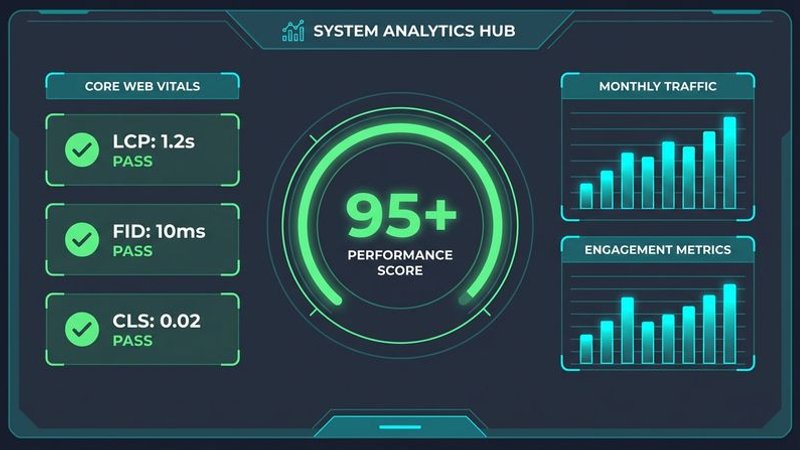
3. Fast Page Load Speed
Why it matters: Core Web Vitals directly impact rankings. Slow sites lose customers.A 2024 analysis by Portent showed that conversion rates drop by an average of 4.42% with each additional second of load time. We consistently see bounce rates spike on local sites that take longer than three seconds to load.
Target metrics:- Largest Contentful Paint (LCP): Under 2.5 seconds
- Interaction to Next Paint (INP): Under 200 milliseconds (Replaced FID in March 2024)
- Cumulative Layout Shift (CLS): Under 0.1
4. XML Sitemap
Why it matters: Sitemaps help search engines discover all your pages efficiently. Requirements:- List all indexable pages
- Update automatically when content changes
- Submit to Google Search Console
5. Robots.txt File
Why it matters: Controls which pages search engines can crawl.We configure this file to prevent Google from indexing duplicate staging sites or backend admin pages. This ensures your "crawl budget" is spent on pages that actually generate revenue.
Requirements:- Allow access to important pages
- Block admin, staging, or duplicate content
- Point to your sitemap
On-Page SEO (8 Items)
These elements optimize individual pages for search rankings.
6. Unique Title Tags
Why it matters: Title tags are a primary ranking factor and appear in search results. Best practices:- Include primary keyword
- Keep under 60 characters (approx. 580 pixels)
- Include city or state for local relevance
- Make each page title unique
7. Meta Descriptions
Why it matters: While not a direct ranking factor, compelling meta descriptions improve click-through rates.Our data shows that including a local area code or a specific neighborhood name in the description increases clicks from local searchers.
Best practices:- 150-160 characters
- Include a call to action
- Feature your unique value proposition
- Include location for local businesses
8. Header Tag Hierarchy
Why it matters: Headers structure content for both users and search engines. Requirements:- One H1 per page (primary topic)
- H2s for main sections
- H3s for subsections
- Logical hierarchy (no jumping from H1 to H4)
9. Schema Markup
Why it matters: Structured data helps Google understand your content and can trigger rich results.We always implement specific priceCurrency fields set to "USD" for US clients to ensure pricing displays correctly in rich snippets.
- LocalBusiness (primary)
- Service (for each service)
- FAQPage (for FAQ content)
- BreadcrumbList (for navigation)
- Review/AggregateRating (for testimonials)
- OpeningHoursSpecification (business hours)
- GeoCoordinates (location data)
10. NAP Consistency
Why it matters: Name, Address, Phone must be identical everywhere.This is critical in the US due to strict USPS standardization. We see businesses fail to rank because they mix formats like "Suite 100" vs. "#100" or "Street" vs. "St.".
Where to check:- Website (header, footer, contact page)
- Google Business Profile
- All directory listings
- Social media profiles
- "123 Main St Ste 4B" (always)
- Never mix formats like "123 Main Street, Suite 4B"
11. Internal Linking
Why it matters: Internal links distribute PageRank and help users navigate. Best practices:- Link from high-authority pages to important ones
- Use descriptive anchor text (not "click here")
- Create topic clusters with pillar pages
- Ensure every page is reachable within 3 clicks
12. Image Optimization
Why it matters: Images impact page speed and can rank in image search. Requirements:- Descriptive file names (not IMG_12345.jpg)
- Alt text for accessibility (Required for ADA compliance)
- Compressed file sizes (WebP format preferred)
- Appropriate dimensions (don't serve 4000px images scaled down)
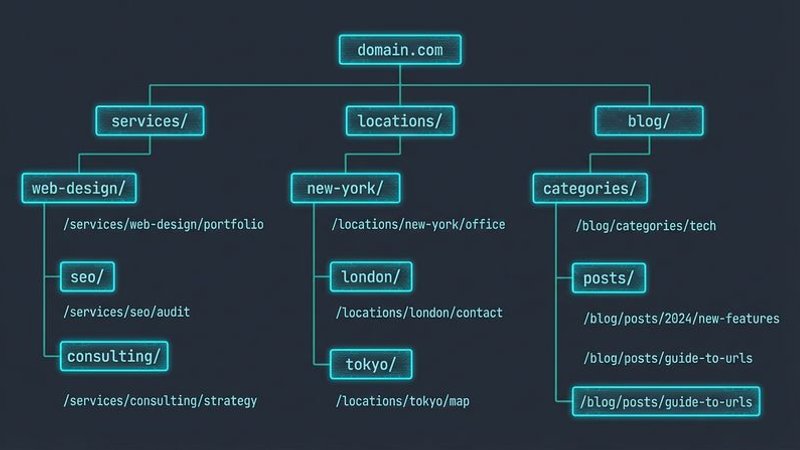
13. URL Structure
Why it matters: Clean URLs are easier to understand and share. Best practices:- Use hyphens, not underscores
- Include keywords naturally
- Keep URLs short and readable
- Avoid parameters when possible
- Use consistent trailing slash policy
Content Requirements (6 Items)
These elements ensure you have comprehensive, valuable content.
14. Service Pages
Why it matters: Each service deserves dedicated targeting for specific keywords.We avoid grouping all services onto a single page because it dilutes relevance. A dedicated page for "Water Heater Repair" will always outrank a generic list item on a "Plumbing Services" page.
Requirements per page:- Unique, detailed content (500+ words)
- Service-specific keywords
- Pricing information (if applicable)
- Benefits and process explanation
- Related services linked
- Clear call to action
15. Location Pages
Why it matters: Local searches include location modifiers. Requirements per page:- Location-specific content (not just find-and-replace)
- Local landmarks and references
- Embedded Google Map
- Location-specific testimonials when available
- Service availability in that area
16. Blog Content
Why it matters: Blog posts build topical authority and capture long-tail searches.For US businesses, we recommend creating content around local regulations or seasonal shifts. Guides on "Winterizing Your Pipes in Chicago" or "New California Solar Mandates" perform exceptionally well.
Content types:- How-to guides
- Cost guides
- Comparison content
- FAQ expansions
- Local/seasonal content
17. FAQ Section
Why it matters: FAQs capture question-based searches and can trigger rich results. Requirements:- Real questions customers ask
- Comprehensive answers
- FAQ schema markup
- Link to relevant service pages
18. About Page
Why it matters: Builds trust and establishes E-E-A-T (Experience, Expertise, Authoritativeness, Trustworthiness).We strongly advise displaying your Better Business Bureau (BBB) accreditation or state license number here. These are powerful trust signals for American consumers.
Include:- Company history
- Team bios with photos
- Credentials and certifications
- Service area information
- Values and mission
19. Contact Page
Why it matters: This is where conversions happen. Requirements:- Complete NAP information
- Embedded Google Map
- Contact form
- Phone number (clickable on mobile)
- Business hours
- Response time expectations
Local Signals (6 Items)
These elements strengthen your local search presence.
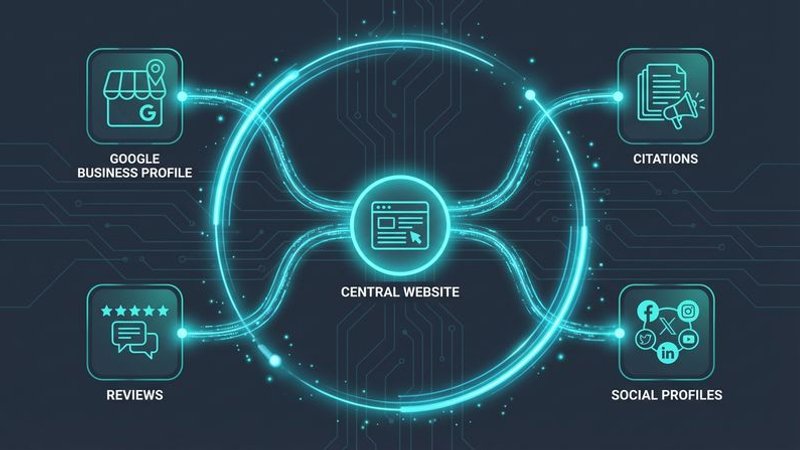
20. Google Business Profile
Why it matters: GBP is the foundation of local SEO. It powers the local pack.Getting verified in the US often requires a live video recording of your workspace or vehicle. We recommend having your business license and utility bill ready before you trigger the verification process.
Optimization checklist:- Complete all fields
- Add photos (exterior, interior, team, work examples)
- Select accurate categories
- List all services
- Post updates regularly
- Respond to all reviews
21. Local Citations
Why it matters: Consistent business information across the web validates your legitimacy. Priority directories:- Yelp
- Facebook Business
- Apple Maps
- Bing Places
- Industry-specific directories (e.g., Angi, Thumbtack)
- Local Chamber of Commerce
22. Review Management
Why it matters: Reviews impact both rankings and conversions. Strategy:- Ask satisfied customers for reviews
- Respond to all reviews (positive and negative)
- Never buy fake reviews (Violates FTC regulations as of 2024)
- Display reviews on your website
23. Local Content Signals
Why it matters: Demonstrates genuine local presence. How to implement:- Reference local landmarks
- Cover local events
- Use location-specific photos
- Create location-specific content
24. Local Link Building
Why it matters: Local backlinks signal geographic relevance.We focus on building relationships with suppliers and neighbors rather than cold outreach. A link from a local supplier in your county carries more weight for local SEO than a generic directory link.
Opportunities:- Chamber of Commerce
- Local business associations
- Sponsorships of local events
- Local news coverage
- Partner businesses
25. Social Media Profiles
Why it matters: Social profiles appear in branded searches and validate business existence. Requirements:- Consistent NAP across all profiles
- Links to website
- Active presence (even minimal)
- Accurate business information
The Complete Checklist Summary
Technical SEO
- SSL certificate (HTTPS)
- Mobile-friendly design
- Fast page load speed
- XML sitemap
- Robots.txt file
On-Page SEO
- Unique title tags
- Meta descriptions
- Header tag hierarchy
- Schema markup
- NAP consistency
- Internal linking
- Image optimization
- Clean URL structure
Content
- Service pages
- Location pages
- Blog content
- FAQ section
- About page
- Contact page
Local Signals
- Google Business Profile
- Local citations
- Review management
- Local content signals
- Local link building
- Social media profiles
How LocusPilot Handles This Automatically
Of these 25 items, LocusPilot automatically addresses:
Fully automated (20+ items):- SSL and fast hosting (Cloudflare Pages)
- Mobile-responsive design
- XML sitemap generation
- Robots.txt configuration
- Unique title tags for every page
- Meta descriptions for every page
- Proper header hierarchy
- Schema markup (15+ types)
- Internal linking structure
- Image optimization
- Clean URL structure
- Service pages for every service
- Location pages for every area
- Blog content generation
- FAQ pages with schema
- About page content
- Contact page setup
- Google Business Profile (yours to manage)
- Local citations (directory listings)
- Review management (customer relationships)
- Local link building (community involvement)
- Social media (your ongoing presence)
The 20+ automated items represent hours of technical work and thousands of dollars in development costs. The 5 remaining items are ongoing activities that only you can do—they're about your real-world business relationships, not website code.
Take Action
Print this checklist. Audit your current site against it. Fix what's broken.
Or skip the audit entirely and generate a site that handles most of this automatically.
Either way, don't launch a local business website that's missing these fundamentals. Your competitors probably have them covered.
Ready to build a rank-ready site?
Get 30+ pages, auto-applied images, and full SEO setup in minutes.
Get started